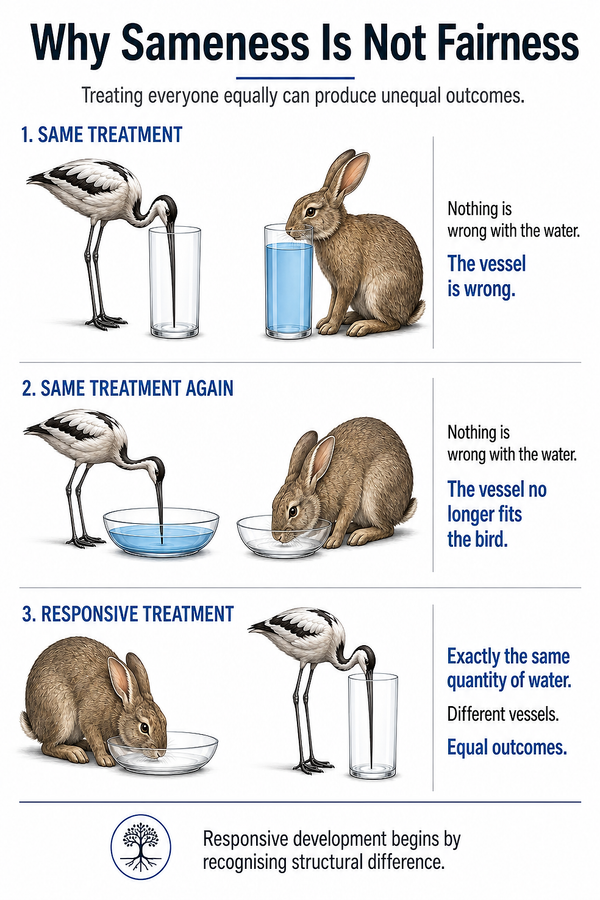
Why sameness is not fairness!
Why treating everyone equally can produce unequal outcomes Few ideas sound more fair than the promise to treat everyone the same. Governments promise equal access to public serv…
Why treating everyone equally can produce unequal outcomes Few ideas sound more fair than the promise to treat everyone the same. Governments promise equal access to public serv…
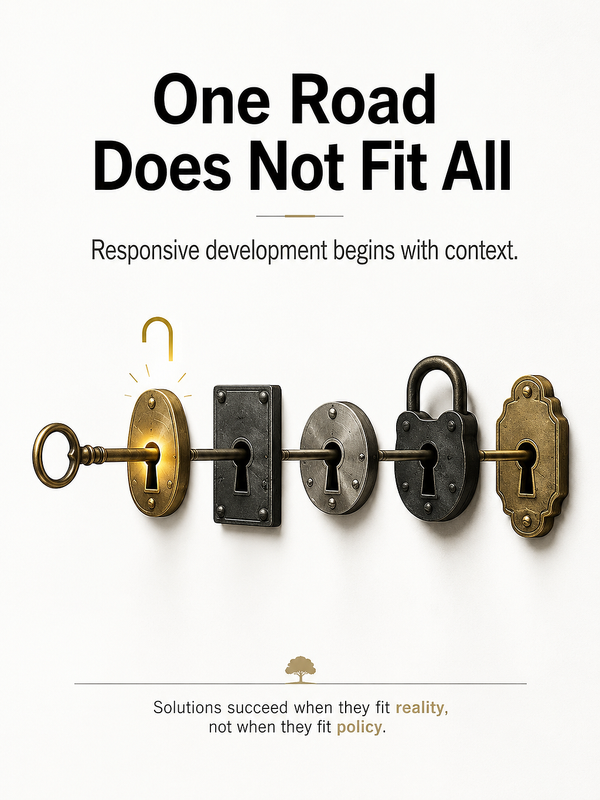
Why interventions must be fit for purpose Development is built on solutions. Roads improve access. Schools improve education. Health centres improve health. Credit improves live…
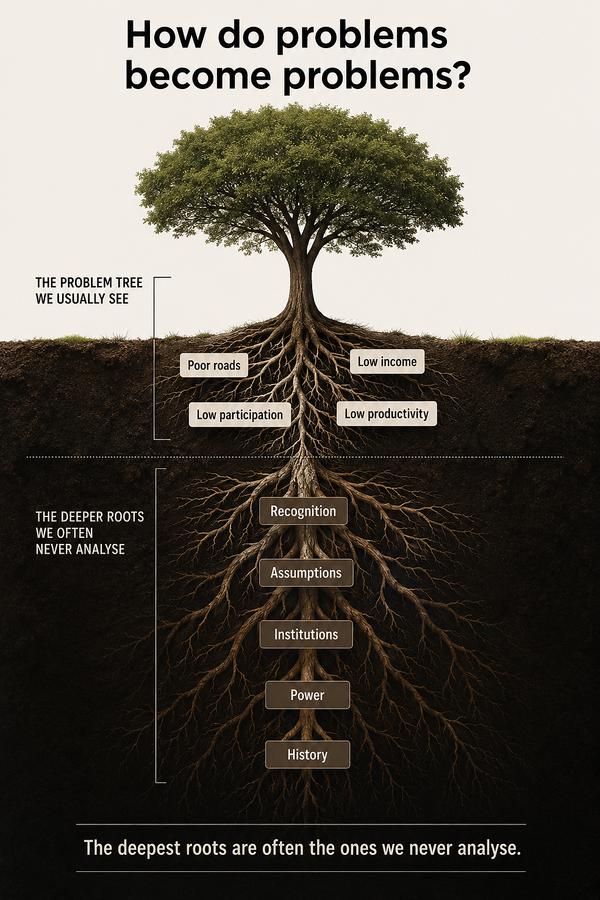
Recognition, diagnosis and the roots we refuse to uproot. Every development intervention begins long before the first dollar is spent. It begins long before the baseline survey,…
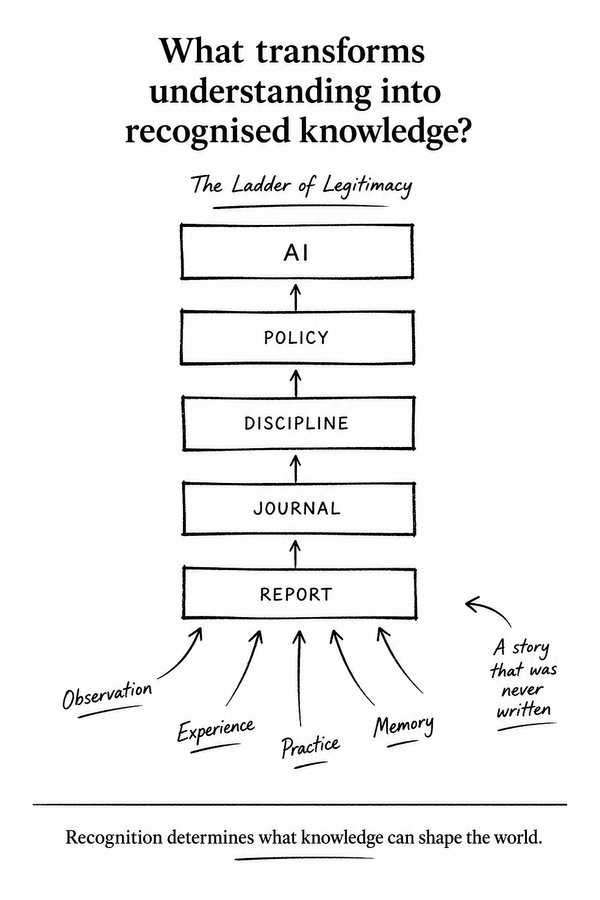
Understanding, legitimacy and the politics of recognition. I never doubted the value of expertise. Throughout my career I have worked with economists, engineers, statisticians,…
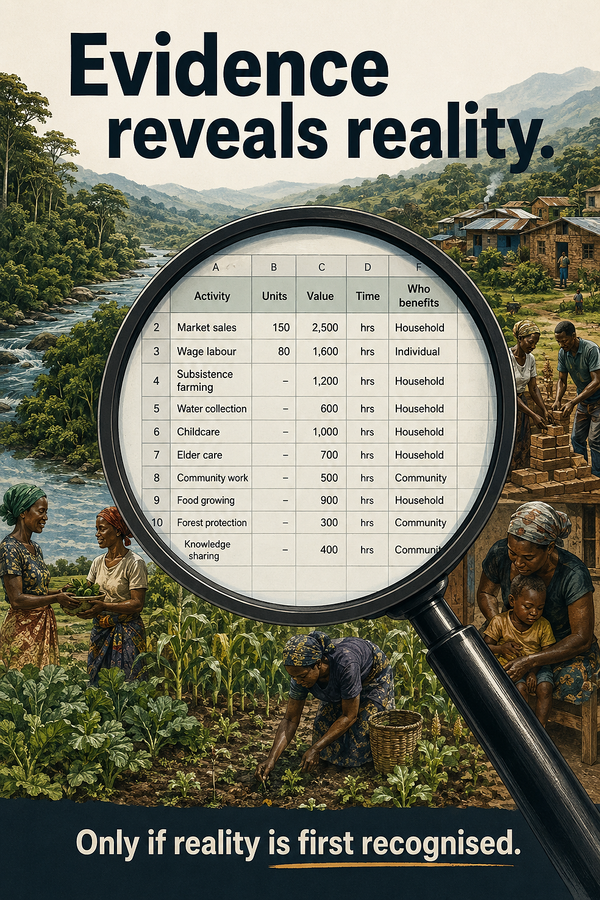
What counts as evidence in development? I am a mathematician. Numbers make sense to me. Equations make sense to me. Econometrics makes sense to me. Models bring order to complex…
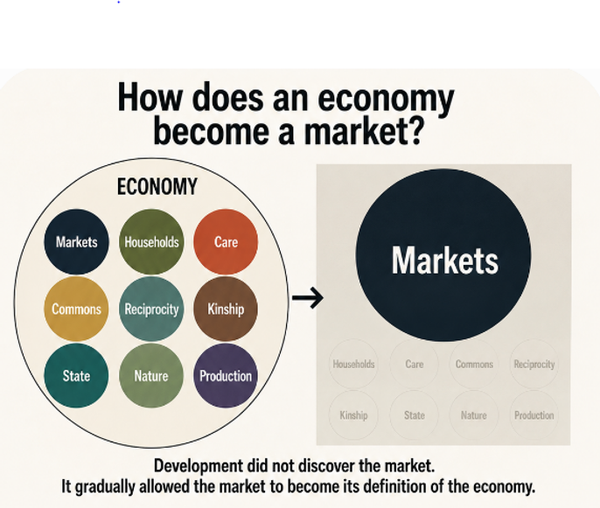
Rethinking poverty, livelihoods and economic activity. The questionnaire was designed to measure consumption. But the people I interviewed were not consuming in the way the ques…
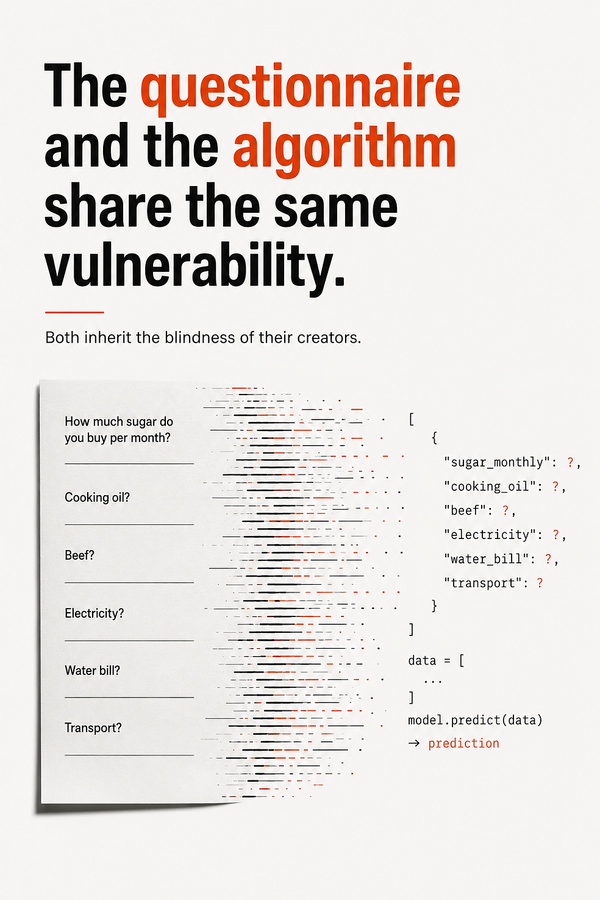
The questionnaire was not the problem. The problem was the theory of change it was carrying. Early in my career, I was part of a team conducting a feasibility study for a rural…
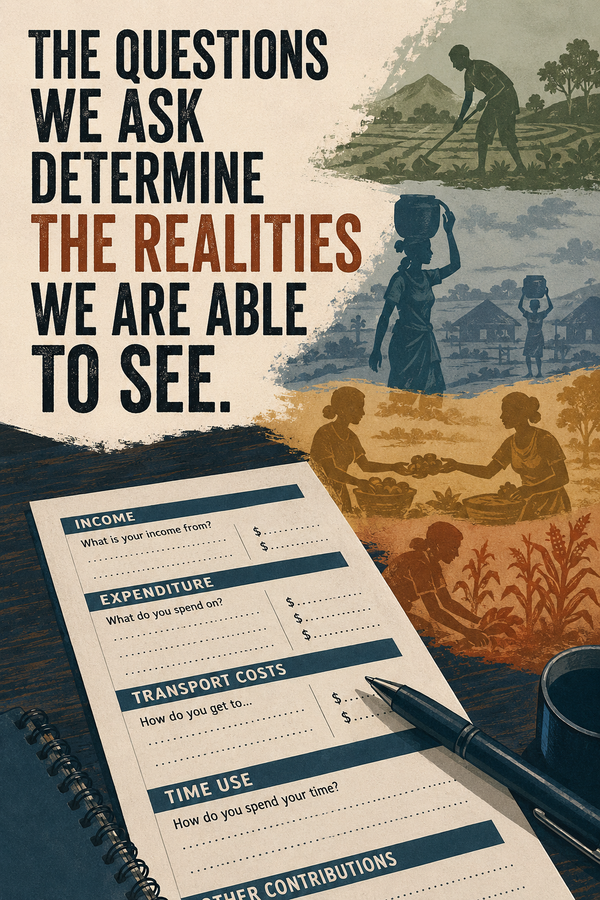
Rethinking transport, development and the realities we fail to see Development does not begin with projects. It begins with assumptions. Before governments build roads, design p…
Two series. Thirty-five essays. Thousands of words. One question has travelled through every one of them. Who pays? Who benefits? Who decides? This series has followed taxation…
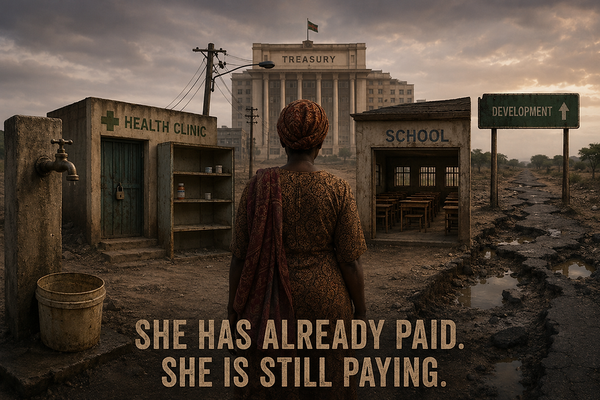
This series has traced how women are taxed through unpaid care, depleted time, unavoidable consumption, and economic invisibility. It has shown how tax systems extract from live…
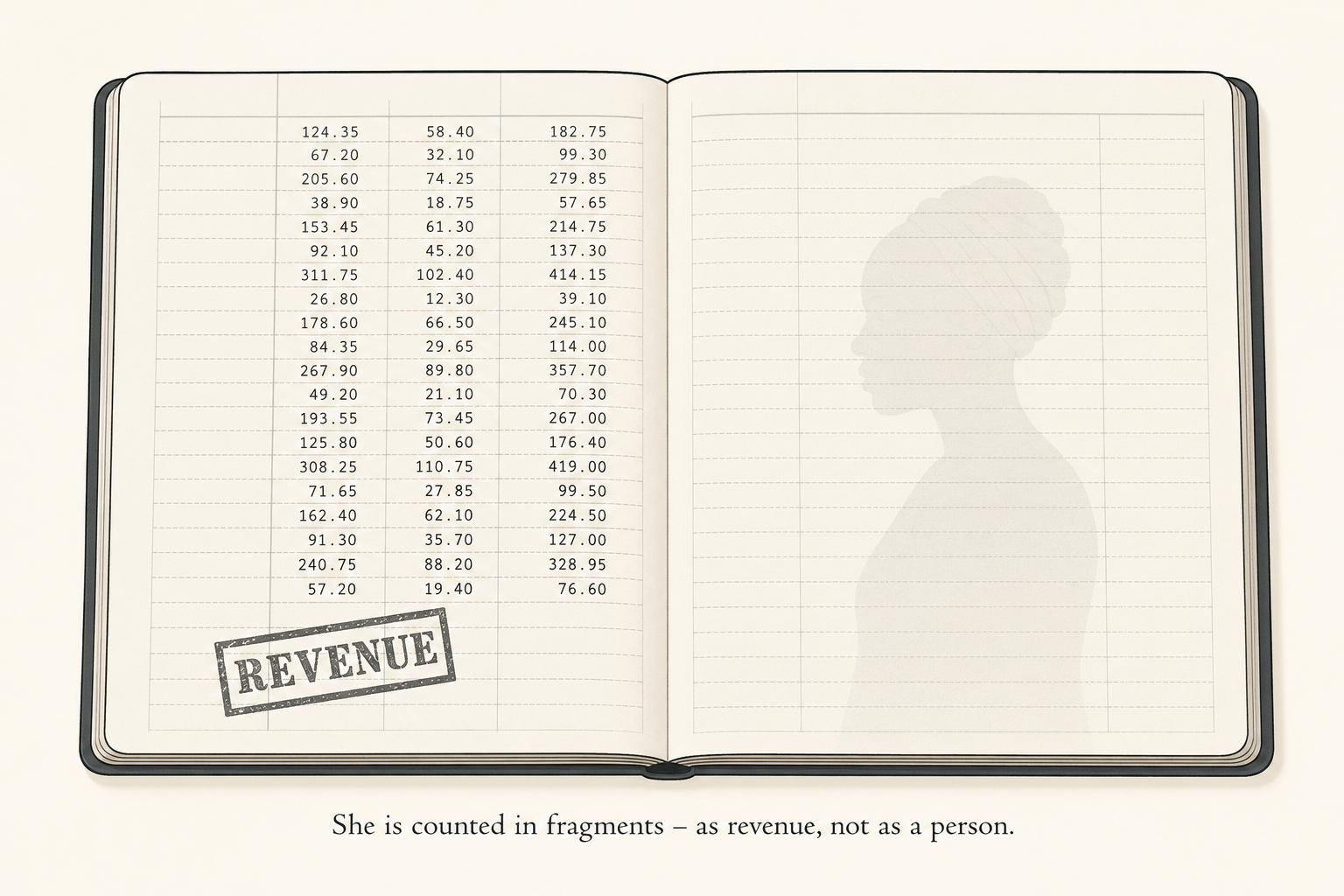
This series has traced how care, time, and consumption are extracted through systems that depend on what they do not measure. Now we ask: what does taxation choose to see – and…
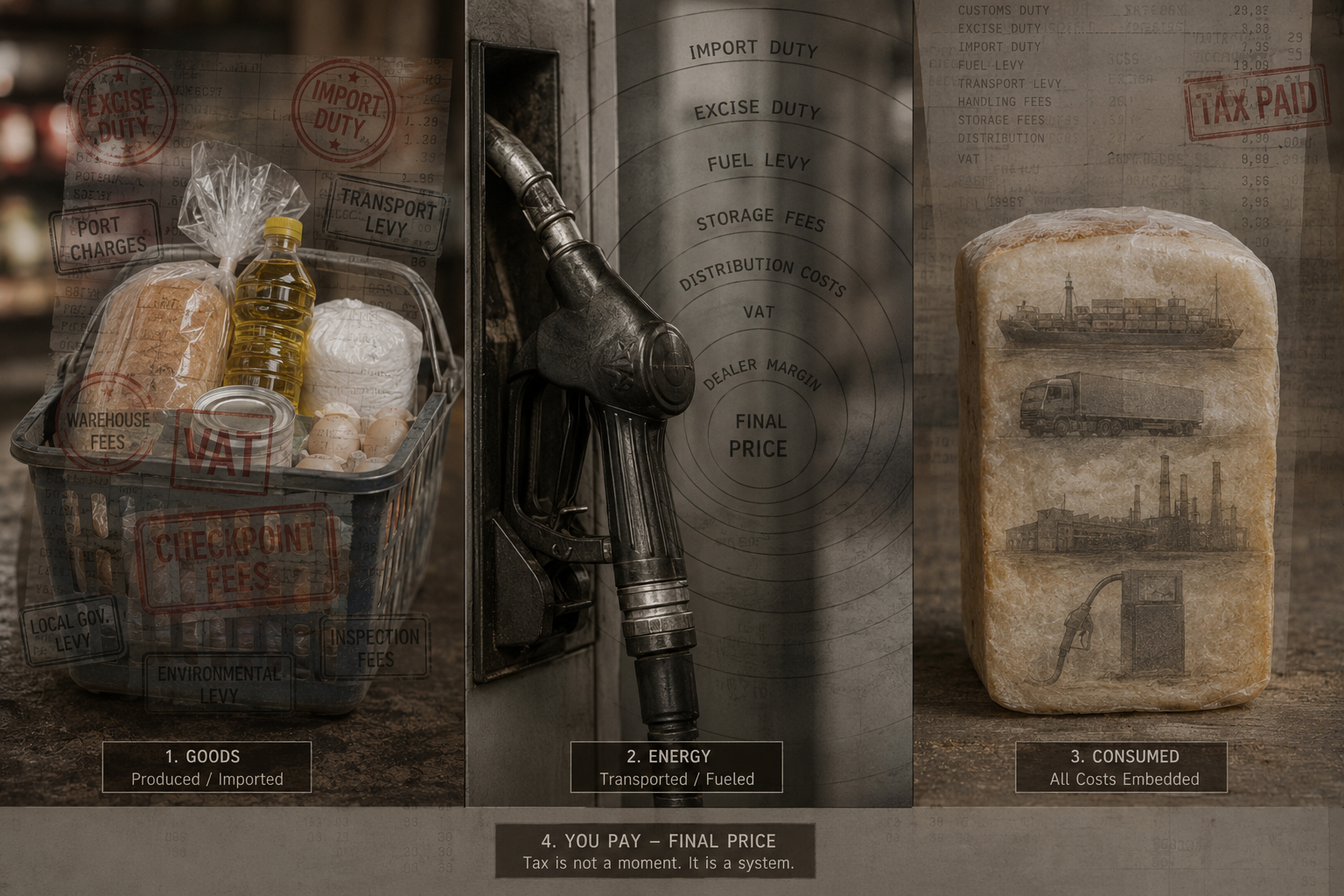
Consumption, survival, and the taxation of everyday life She buys food. VAT is already embedded in its price. She buys fuel. Excise is already embedded in its price. She buys so…
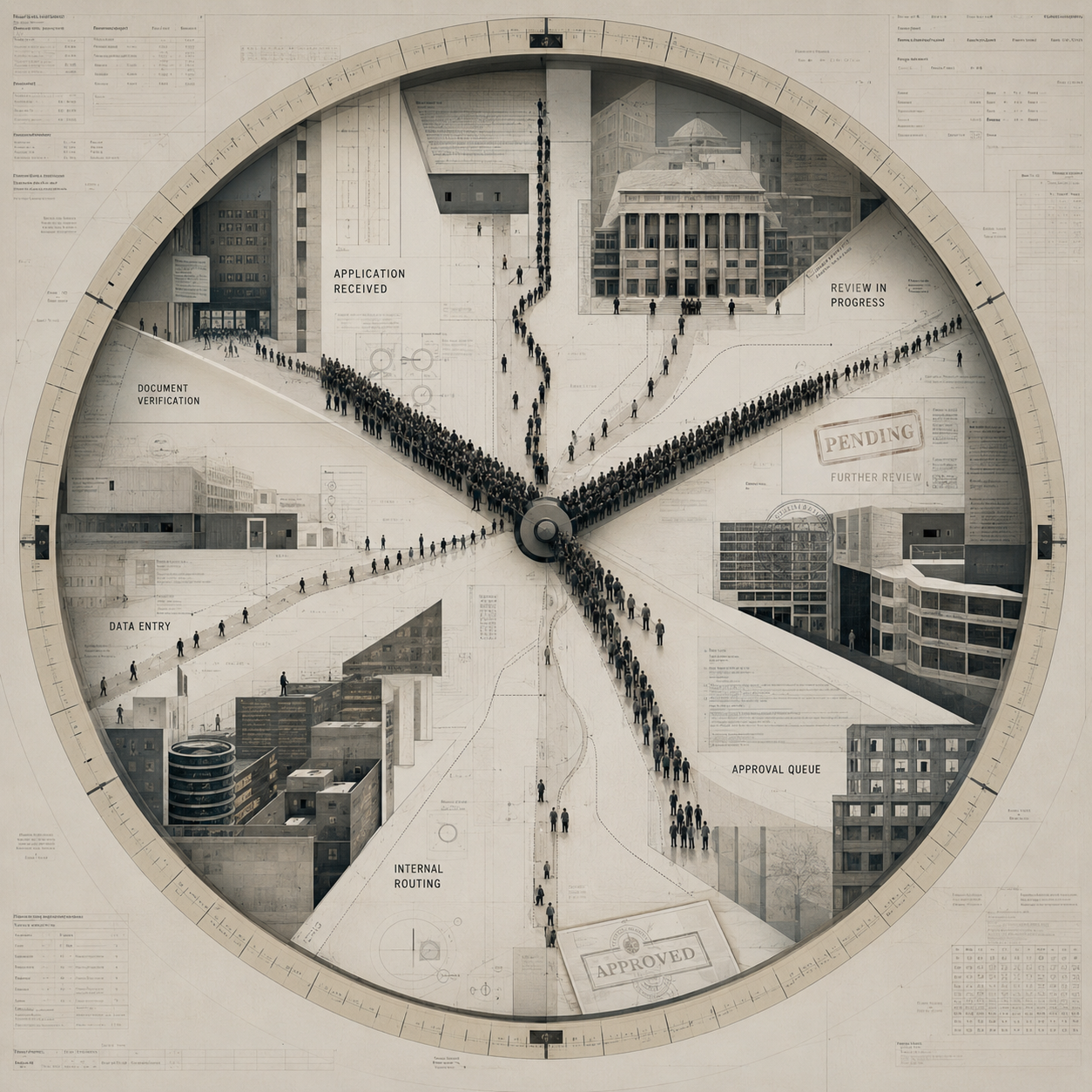
Tax justice & care
This series has named the care tax — the invisible extraction that sustains households and economies. Now we ask: what does that extraction do to a day? To a body? To a life? Th…
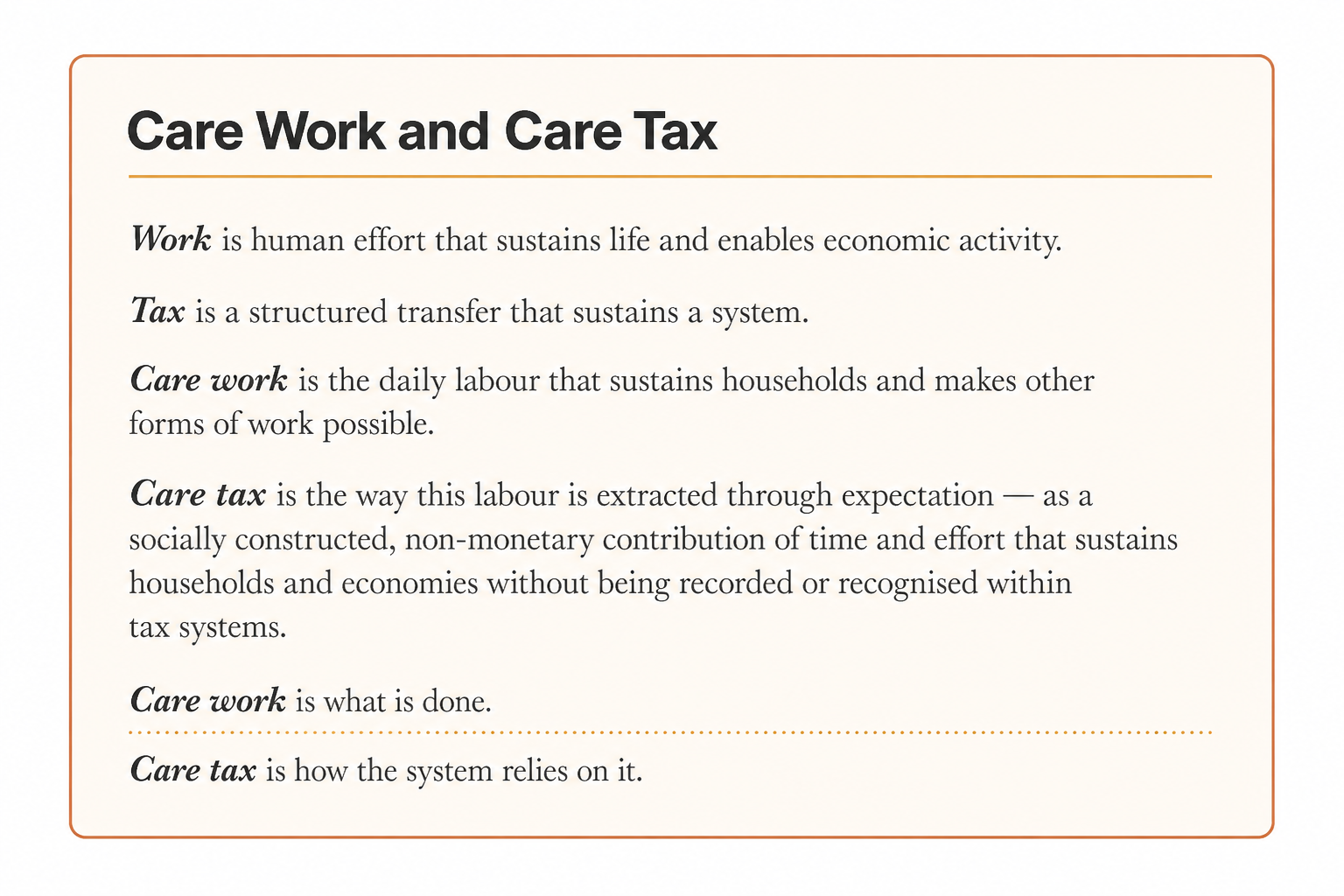
Tax justice & care
She wakes before dawn. The house is still dark. She fetches water. She prepares food. She readies children. Her day begins before the recognised working day starts — and continu…
Tax justice & care
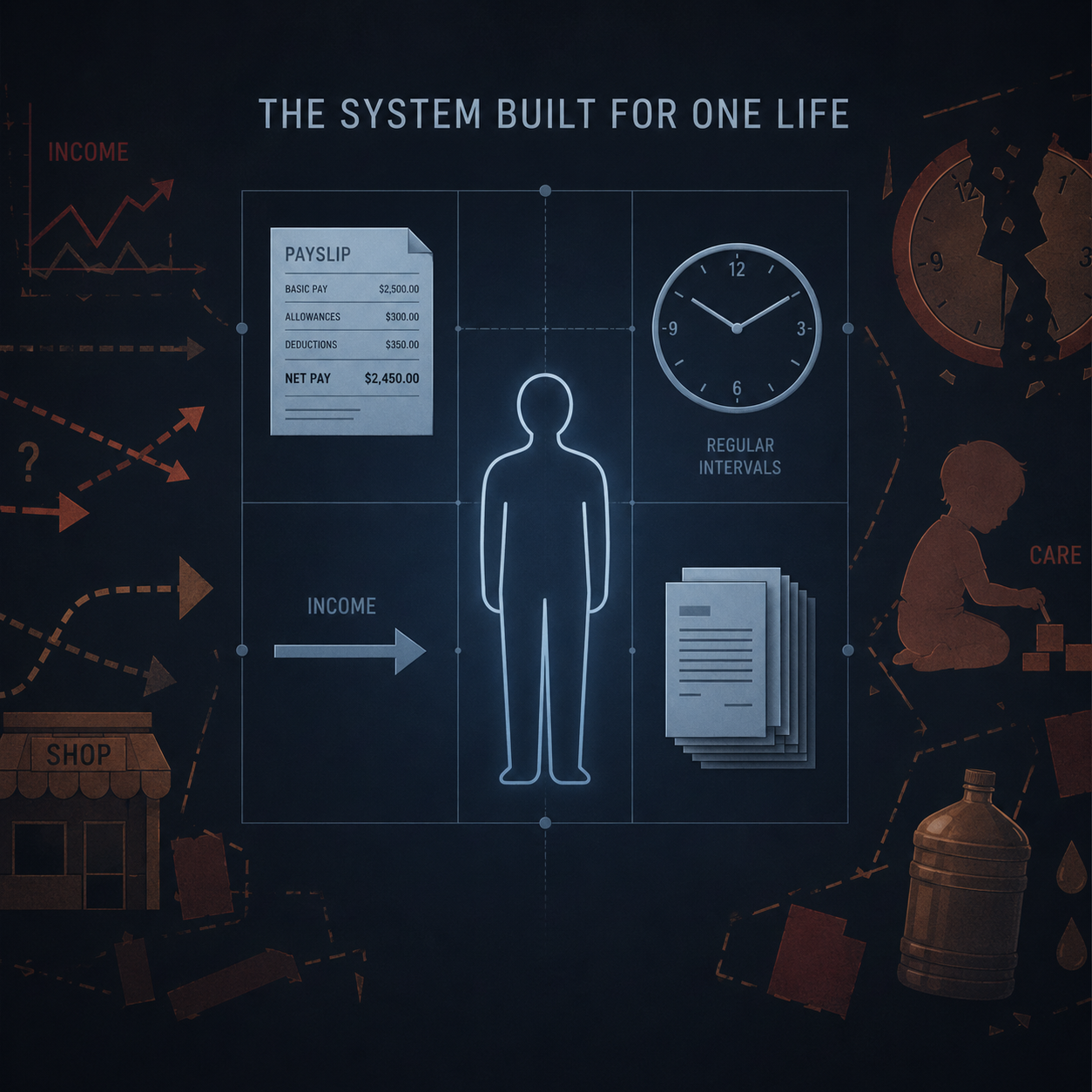
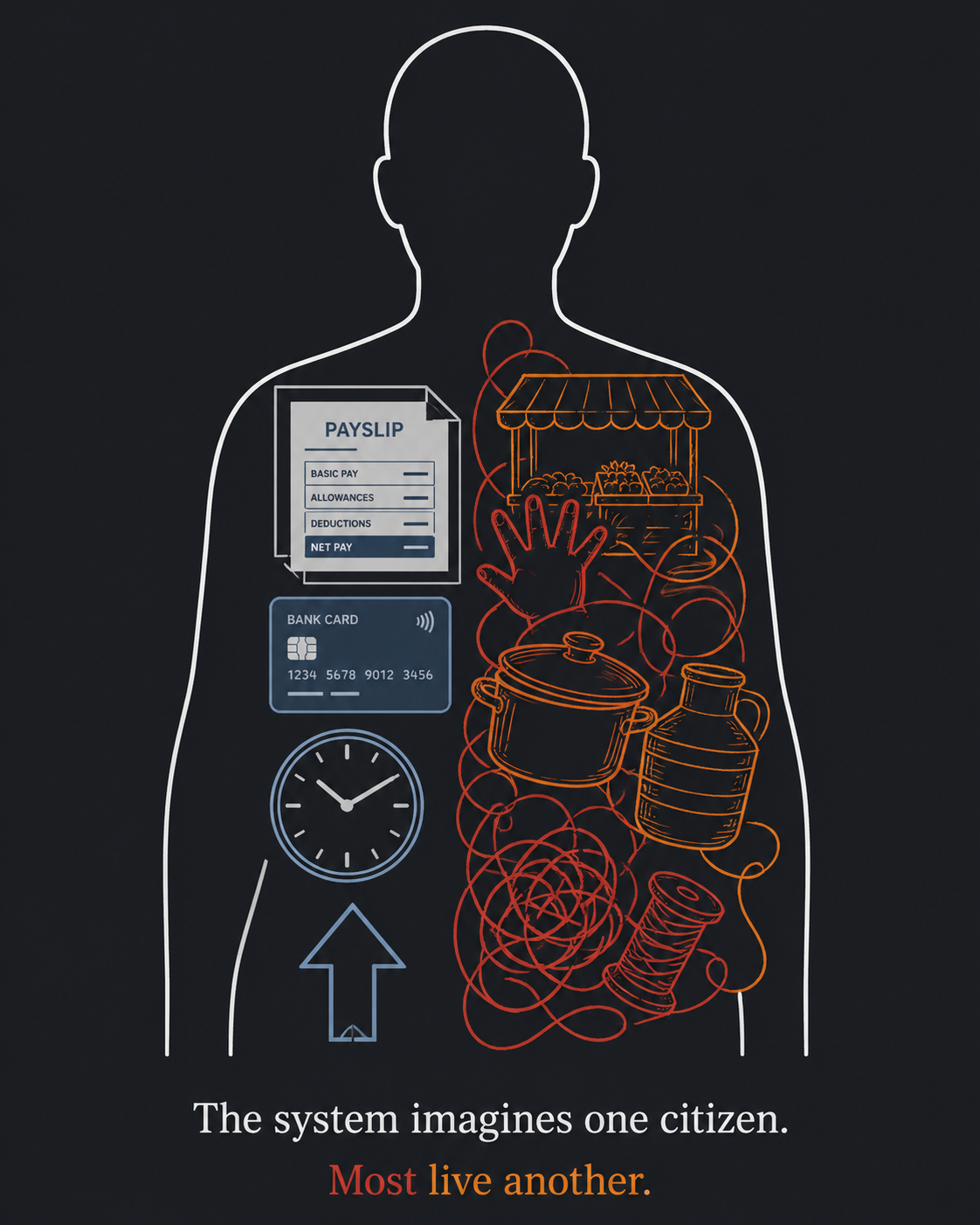
Tax systems do not reflect economic life. They structure it around assumptions about income, time, and visibility. They are built on an implicit model of the taxpayer — stable i…
Tax justice & care
Who is recognised as a taxpayer — and who is treated as an exception? Tax systems are built around an implicit model of the taxpayer. Stable income. Formal employment. Individua…
Tax justice & care
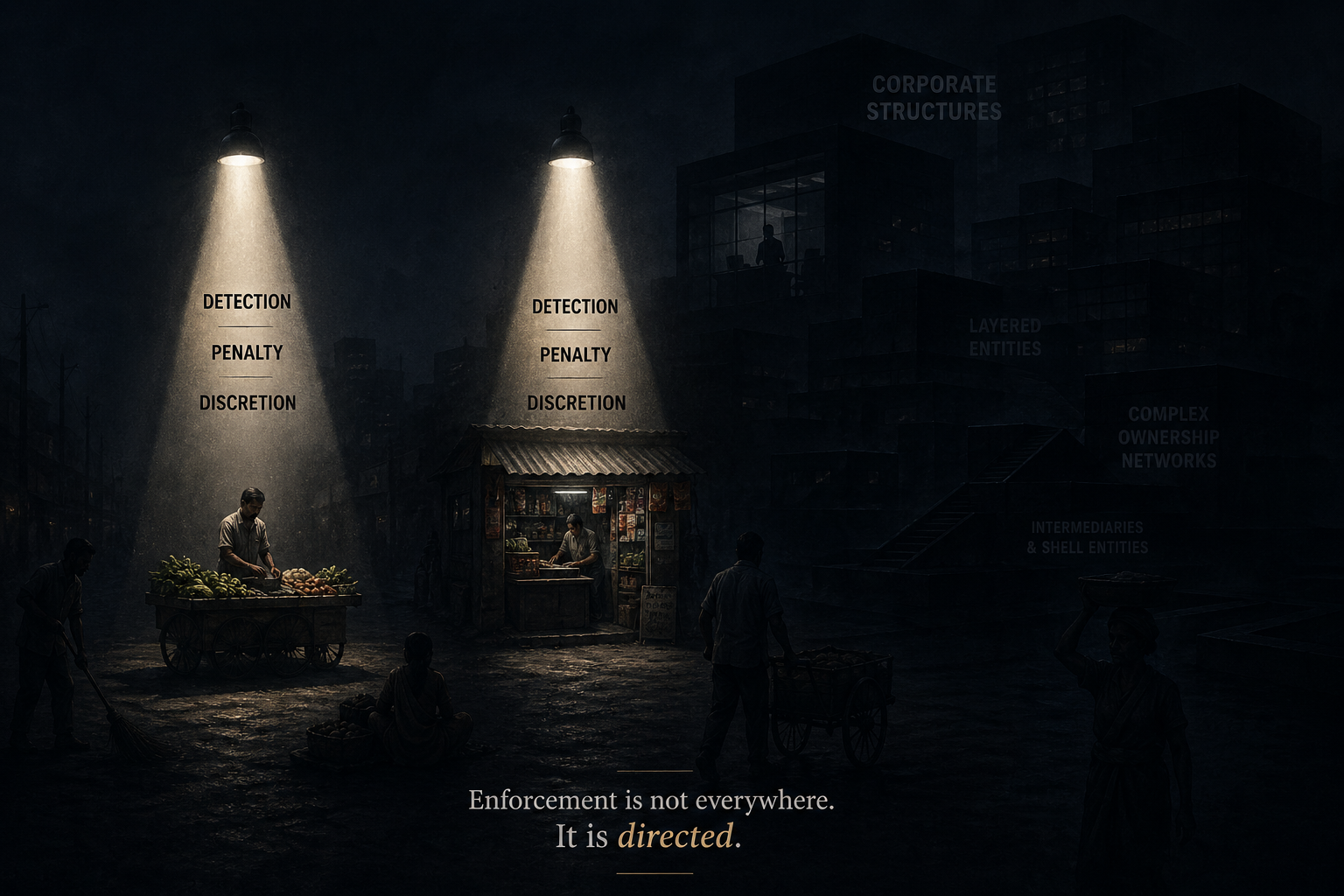
The previous article asked who can comply and who struggles. This article asks: when compliance fails – or when the system decides to pursue – who is punished and who walks away…
Tax justice & care
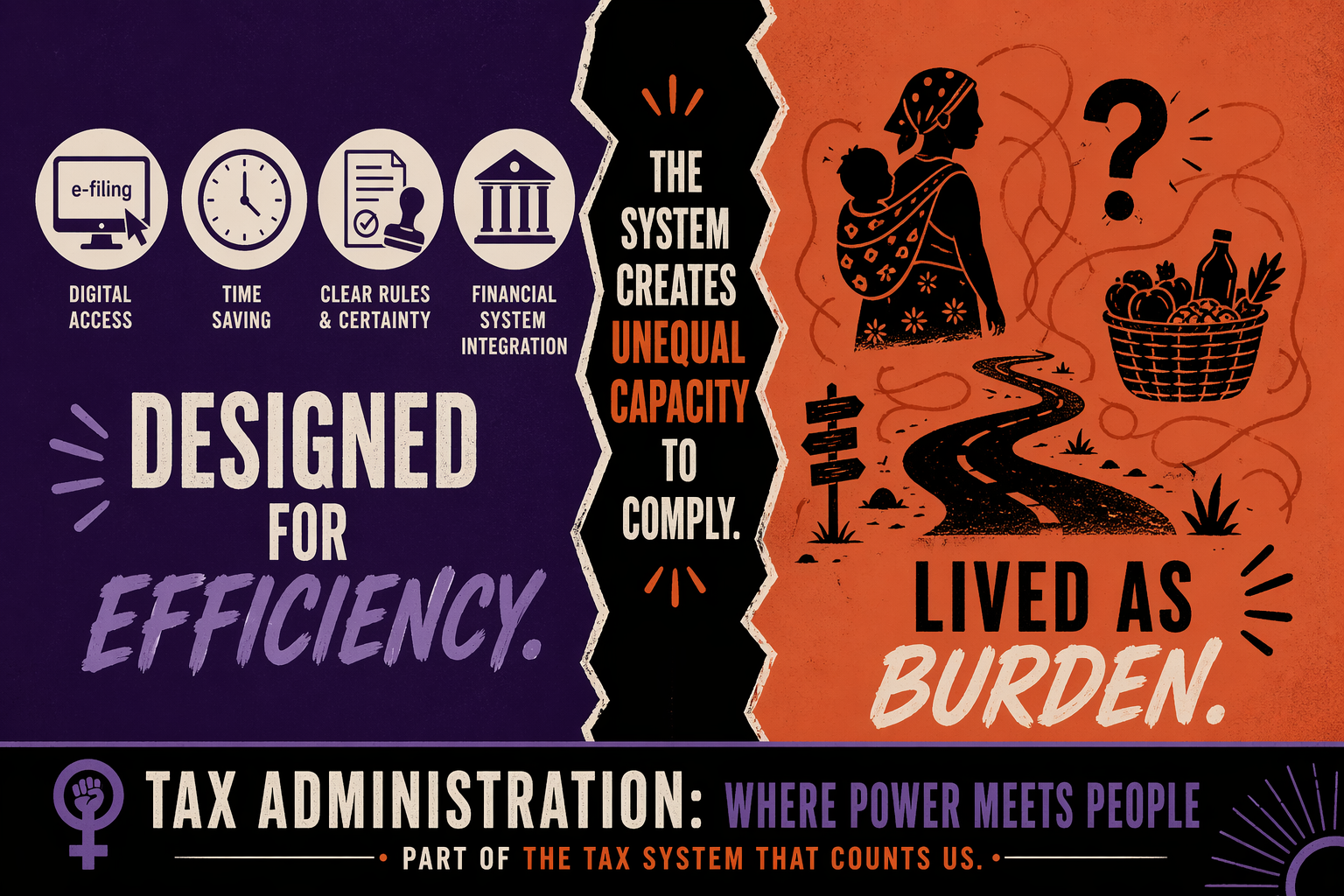
This series has examined what is taxed, how it is designed, and who pays. Now we ask: how do people actually comply? Who can enter the system, and who struggles before enforceme…
Tax justice & care
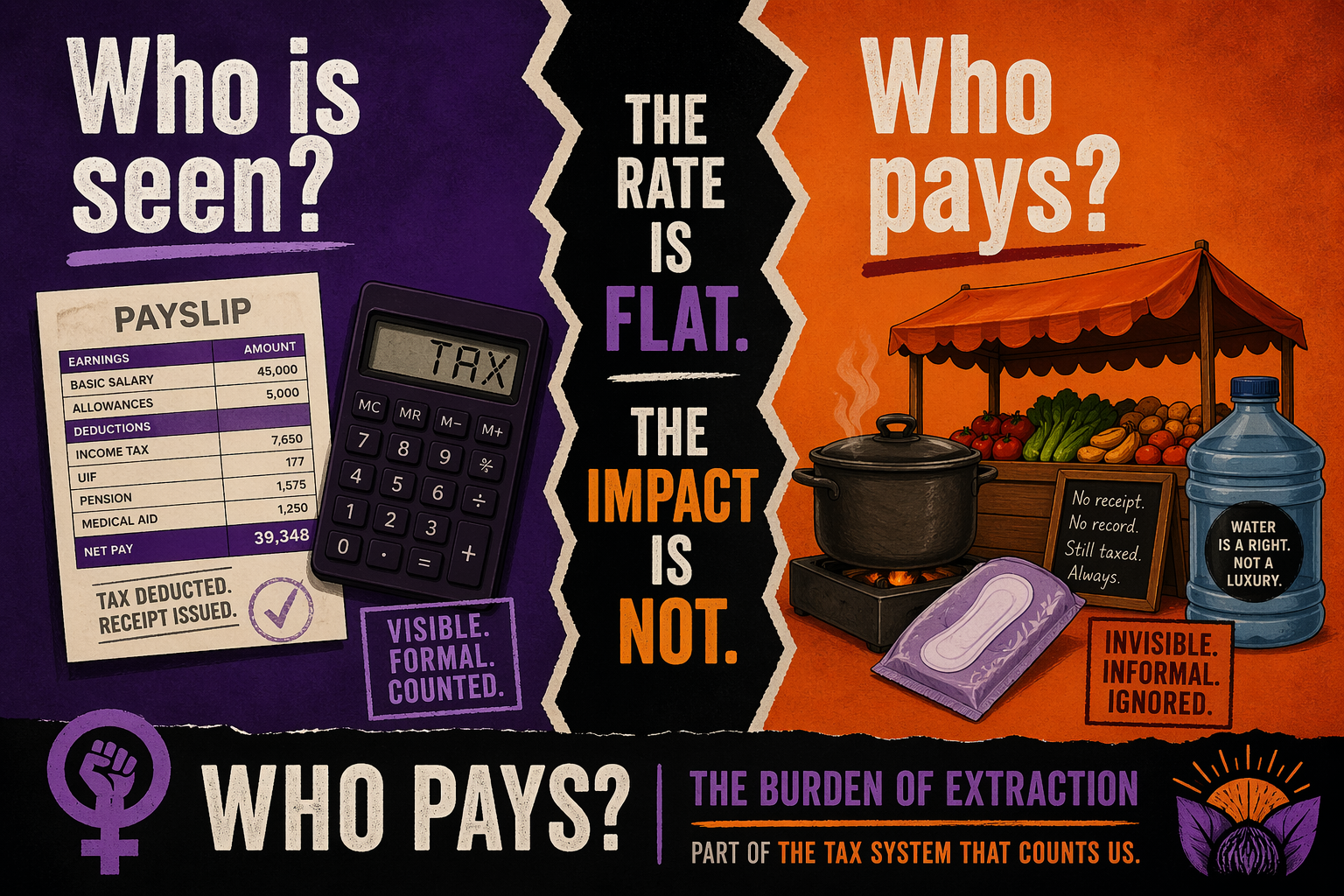
This series has examined what is taxed and how it is designed. Now we ask: who actually pays? The myth of the taxpayer Tax systems tell a simple story: taxpayers are those who a…
Tax justice & care
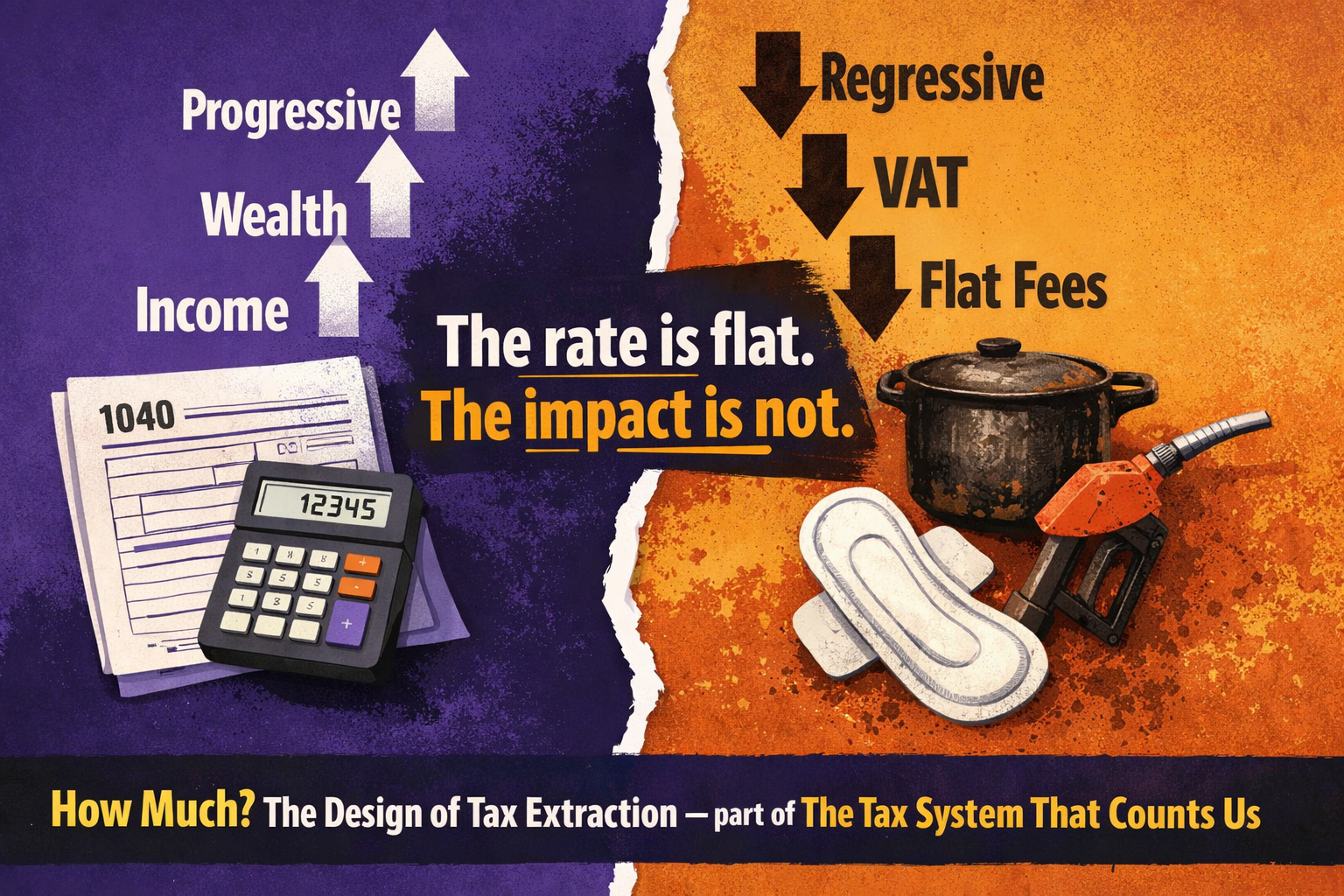
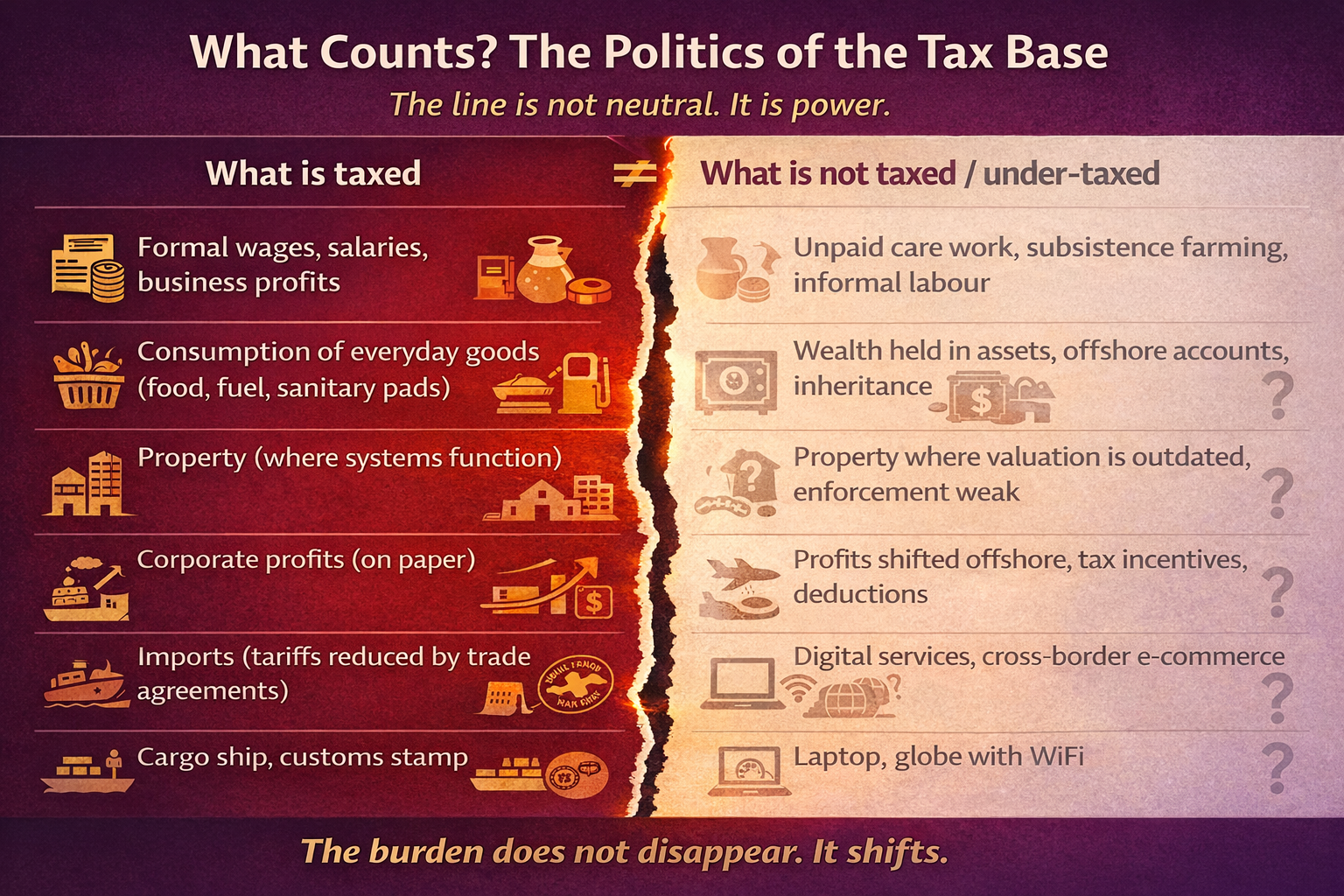
This series has examined what counts as economic value. Now we ask: how is it designed? Design decides direction. Tax systems do not only decide what to tax. They decide how muc…
Tax justice & care
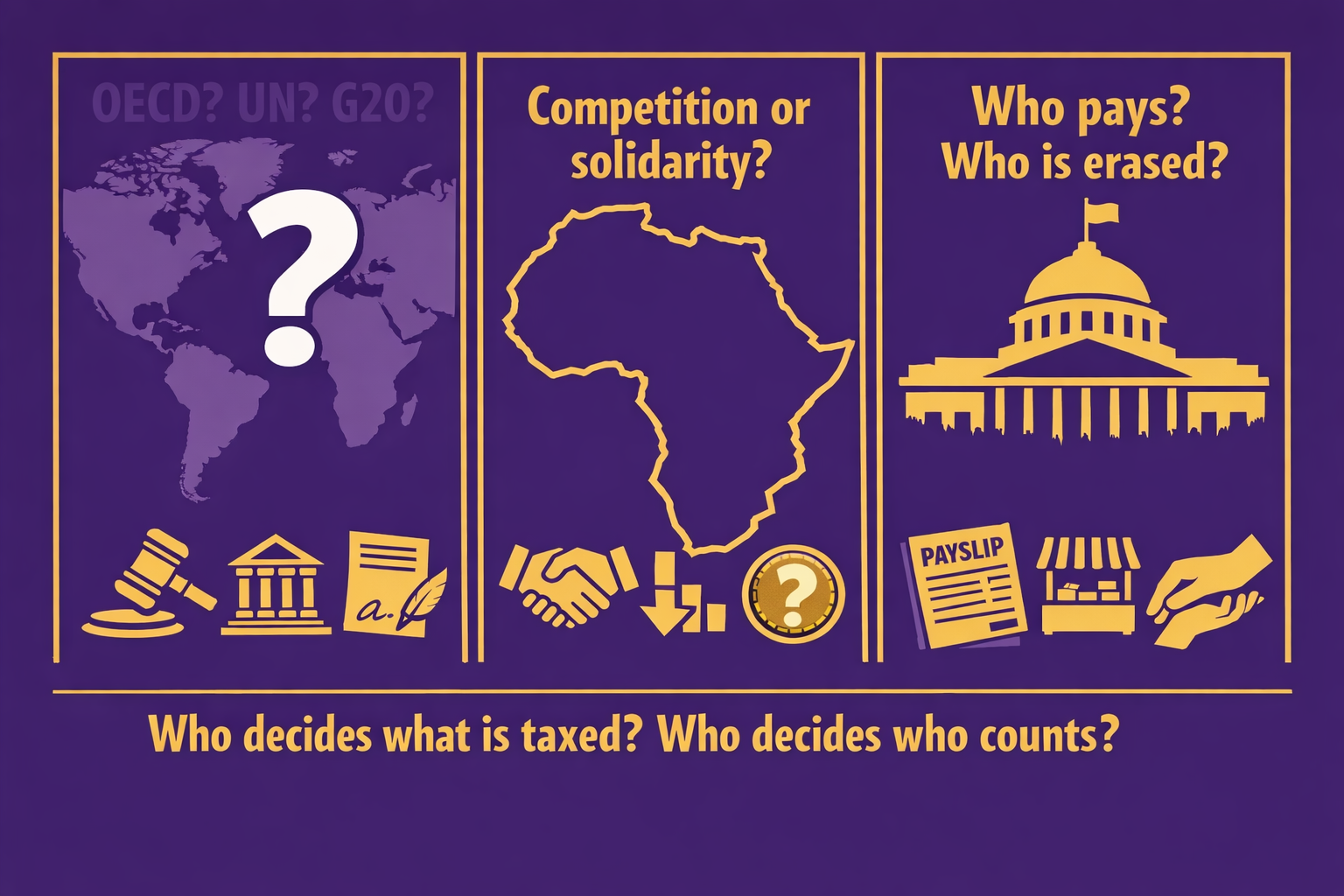
This series moves from lived reality to the rules. The previous article asked who writes tax policy – at global, regional, and national levels. Now we ask: what does the system…
Tax justice & care
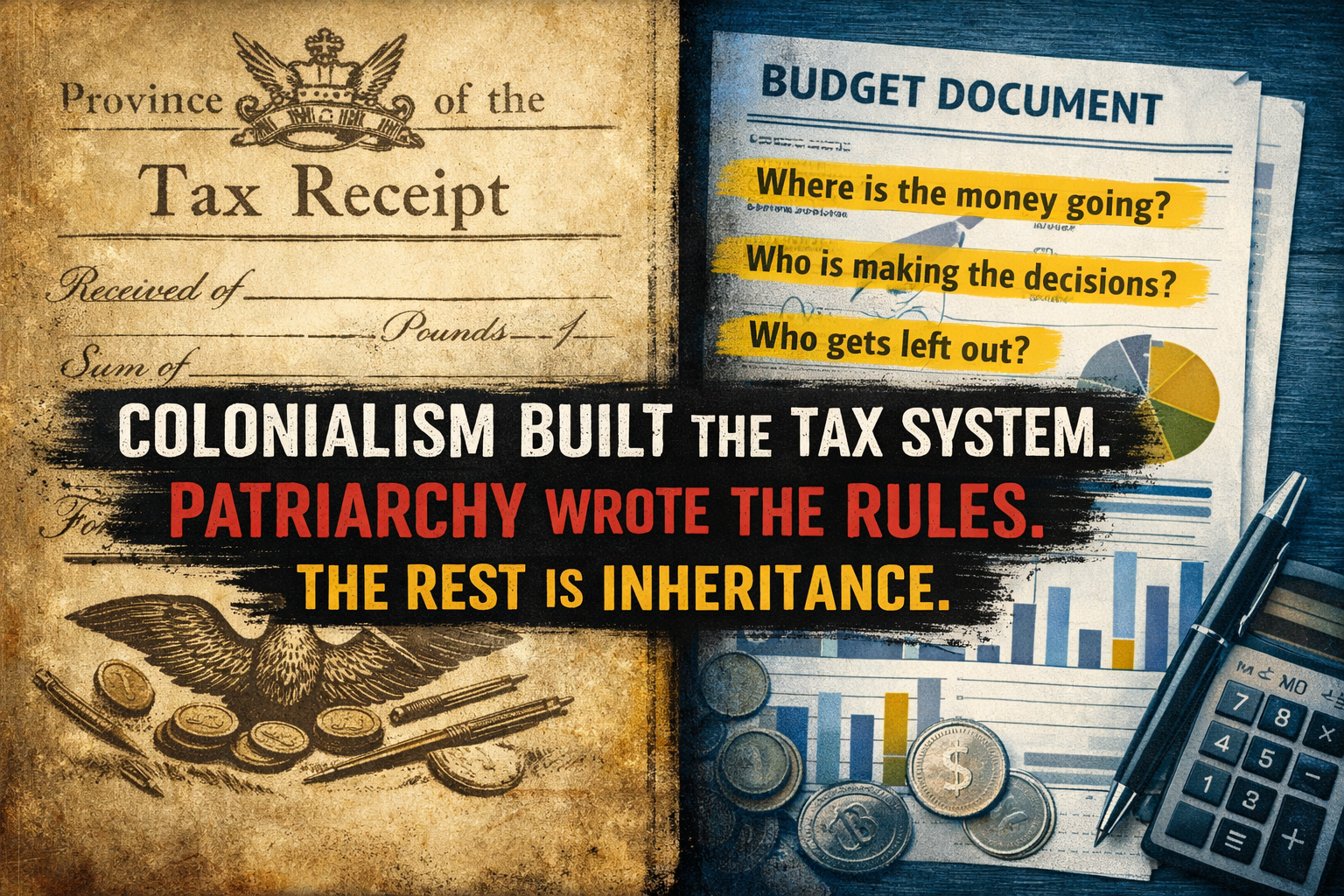
This series moves from lived reality to the rules. The first article showed how colonialism, capitalism, and patriarchy built the tax system. Now we ask: who writes the rules to…
Tax justice & care
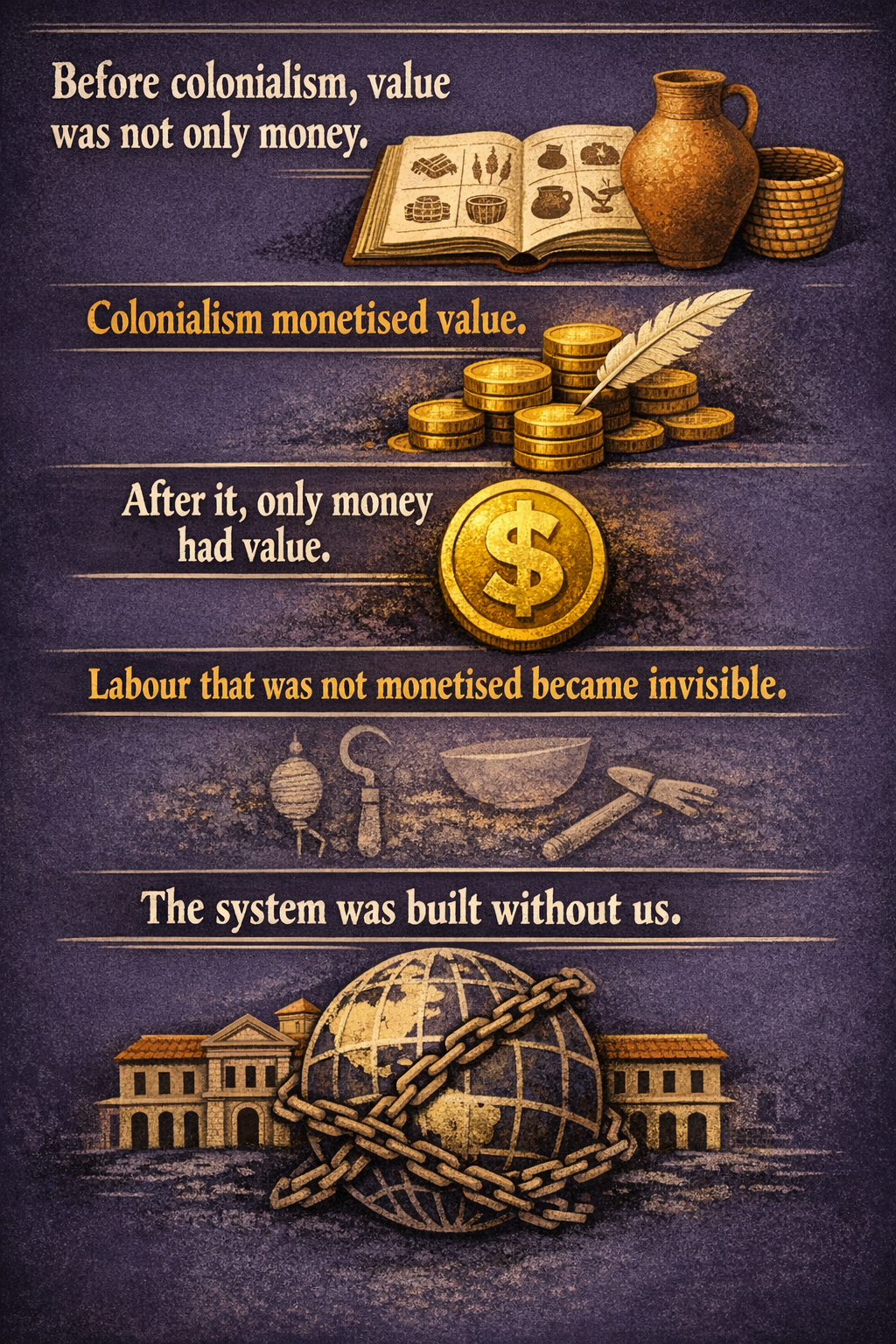
This series moves from lived reality to the rules. It asks who the system was built for, who it serves, and who it leaves out. The first article looks backwards—to the time befo…
Tax justice & care
( A follow‑up to “The Tax System That Sees Us”) We have lived the reality. The market fee that leaves no record. The pension that never comes. The clinic with no drugs. The tax…